REVIEW · ST THOMAS
Discover Scuba Diving
Book on Viator →Operated by Aqua Action Dive Center · Bookable on Viator
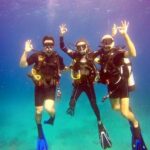
First time under the surface feels unreal. This beginner-friendly St. Thomas course mixes classroom basics with real ocean practice, so you can try scuba without a certification. I like that it’s fully supervised from your first breaths through the waterwork, with staff staying close the whole time.
What I really love is the human support. Instructors walk you through gear setup and technique, and when something feels off, they fix it fast. One person credited their instructor Jack for being patient with gear trouble before the experience really took off, and another named Stephanie as an excellent guide who helped them feel confident quickly.
The main thing to think about is depth expectations. One review said the plunge felt relatively shallow at around 15 feet from the shore, which can be amazing for corals and sea life but means it may not satisfy you if you came for a big, deep-water thrill.
In This Review
- Key things to know before you go
- How this beginner scuba course works in St. Thomas
- First stop: the classroom before you hit the water
- Shallow water practice: where gear and confidence click
- The finish: bay deeper session or a boat to reefs and wreck areas
- What you get included (and why that’s worth $175)
- Equipment and instructor support: the real deal for nervous first-timers
- What you should do to be ready (without overthinking it)
- Group size, pacing, and how long it takes
- Value check: is $175 a good deal for St. Thomas scuba?
- Who should book this course (and who might want something else)
- Should you book Discover SCUBA in St. Thomas?
- FAQ
- Do I need scuba certification for this experience?
- How long is the experience?
- What scuba equipment is included?
- Does an instructor stay with you the whole time?
- Where does the course take place underwater?
- Are there medical requirements before diving?
- Is a gratuity expected?
Key things to know before you go
- Instructor stays close the whole time, so you’re not flying solo with gear and buoyancy
- All gear included (including suit, fins, mask, regulator, and more) means fewer hassles on vacation
- Two-style finish options: deeper water in the bay or a short boat plan to reef and wreck areas
- Good for first-timers who want the steps and confidence before committing to certification
- Small group size (maximum 12 people) helps keep the pace calm and the attention focused
How this beginner scuba course works in St. Thomas
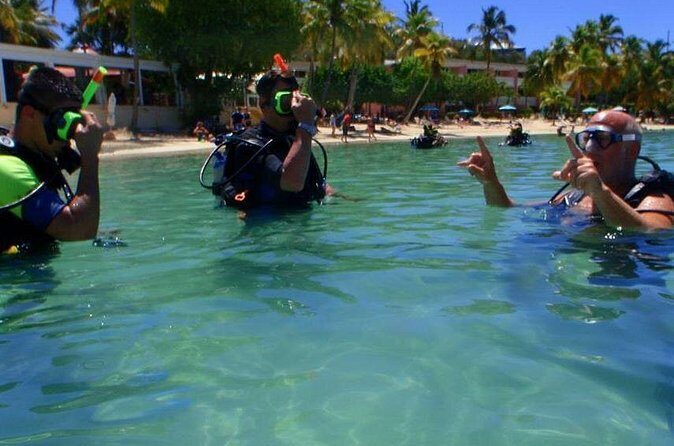
This is a half-day “try it with instruction” style scuba experience based in St. Thomas, US Virgin Islands, priced at $175 per person. It runs about 3 hours 30 minutes, and you’ll get a mobile ticket. On paper it’s short, but it’s designed as a complete intro arc: learn the basics, practice them in controlled water, and then move into deeper ocean time with ongoing supervision.
You start with guidance on land. That matters more than people think. Scuba is part breathing and part body control, and the fastest path to feeling comfortable is knowing what every piece of gear does before you’re underwater. Expect an instructor-led walkthrough, then a shift to shallow water so you can practice core skills without feeling rushed.
After that, the course finishes with either a deeper-water session in the bay or a boat option to visit reef and wreck areas. Which one you get depends on how the day and conditions line up, but the goal stays the same: help you experience underwater life while you build basic confidence.
You can also read our reviews of more scuba diving tours in St Thomas
First stop: the classroom before you hit the water
The first phase is a classroom lesson with an instructor. It’s the part that turns scuba from scary into understandable.
Here’s what you’ll be preparing for:
- How the equipment connects and what each item is for
- How to manage breathing and buoyancy basics
- What to do if you feel awkward with your gear or positioning
Even if you’re a confident swimmer, scuba has its own rules. In the reviews, the common thread isn’t just seeing marine life—it’s feeling safe because the teaching is clear and close. One person highlighted that their instructor Jack was patient and stayed near enough to help every step of the way. That’s exactly what you want from a first-timer course.
Also, you’ll be doing a health questionnaire before you dive. If you’ve got asthma or heart conditions, you should talk to your doctor before booking, because some pre-existing medical issues may prevent you from diving.
Shallow water practice: where gear and confidence click
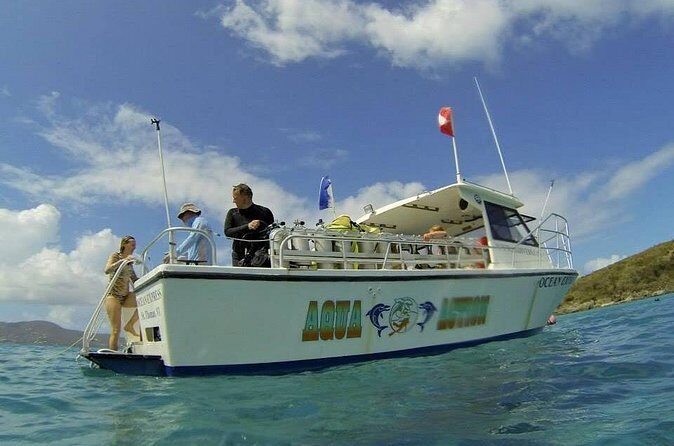
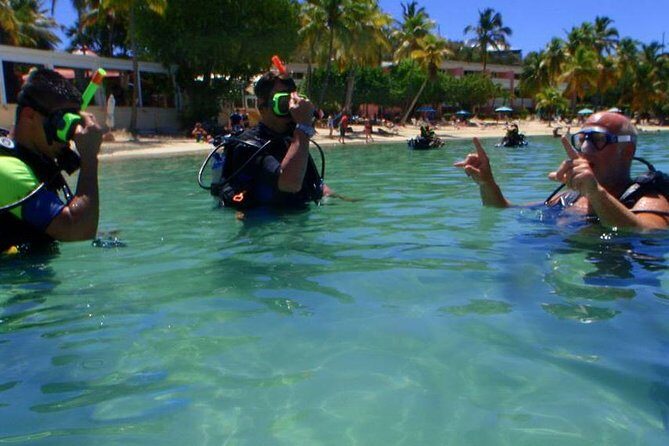
After the lesson, you head to shallow water to try the skills. This is the “get your bearings fast” stage. It’s also where the experience can swing from fun to frustrating—usually based on whether gear fits and whether you understand the technique.
That’s why the equipment support is such a big part of value here. The course provides everything you need, so you’re not hunting rentals or guessing what’s compatible with your body. Tanks, weights, BCD, regulator, wet suit, fins, mask, and snorkel are included.
One review mentioned a hiccup with gear at first—then the instructor swapped out what was causing the issue and things became great right after. That’s a key point for you: if something feels wrong early, say so immediately. The whole structure is built for correction while you still have time to learn comfortably.
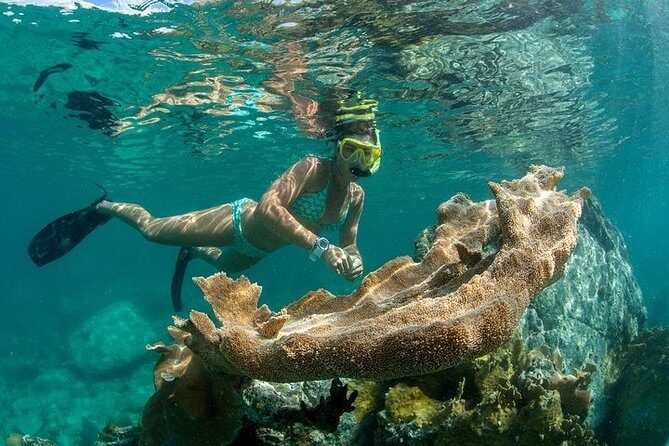
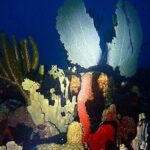
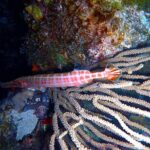
Shallow water is also where you start connecting with the underwater world. Even if you don’t go very deep, you can still see plenty up close: fish, coral, and sea anemones show up in the sort of areas you can reach early in the training.
The finish: bay deeper session or a boat to reefs and wreck areas
The course ends with a supervised underwater portion that’s designed to feel like a real scuba experience, not just a snorkeling upgrade.
You’ll do either:
- a deeper-water dive in the bay, or
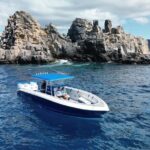
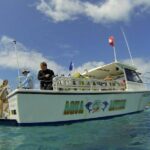
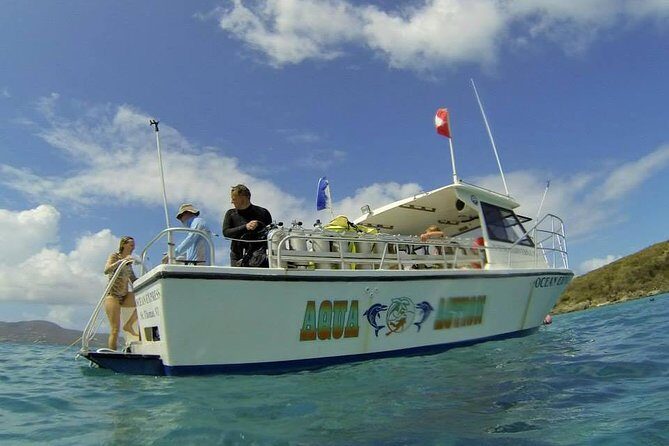
- a boat option to two Caribbean Sea dive locations (reef and wreck areas off St. Thomas)
If you’re hoping for a dramatic “going far down” moment, manage expectations. One review said their training went to only about 15 feet from the beach, which can be stunning in terms of close coral and sea life—but it may not match the idea of a big deep-water experience.
So how should you plan mentally?
- If you want a calm first scuba day with lots of visual payoff and strong instruction, this format fits well.
- If you’re after depth for the sake of depth, consider that the goal here is skill mastery and comfort, not a max-depth adventure.
Either way, the instruction stays close, which is the difference between fumbling underwater and actually learning how to behave in it.
What you get included (and why that’s worth $175)
You pay $175 per person, which is reasonable for a beginner scuba session when you compare it to the cost and hassle of cobbling together rentals, instruction, and a guided plan.
What’s included:
- Discover-style booklet to take home
- All scuba equipment (tanks, weights, BCD, regulator, wet suit, fins, mask, snorkel)
- A qualified instructor
That package matters because the biggest beginner costs are often hidden. Getting the right gear fit can be tricky. And buying or renting gear separately can turn your day into a logistical scavenger hunt instead of a learning experience.
The course also recommends gratuities: 15–20% of the tour cost. It’s not included, but it’s also a sign the instructors are meant to do real work—teaching, adjusting gear, and keeping you steady underwater.
Equipment and instructor support: the real deal for nervous first-timers
The reviews lean heavily on one theme: instructors are patient and hands-on.
Names that came up include:
- Jack (patient gear help and clear instruction)
- Stephanie (noted as absolutely terrific in the water)
- Sam and Diane (named in one review as part of the team)
- Jaun and Danny (praised for patience and checking that people were okay step by step)
When you’re new, your brain has two jobs: breathing calmly and staying aware of body position. If your gear setup isn’t right, everything feels harder. When instructors fix equipment quickly, you get to enjoy the real point of scuba.
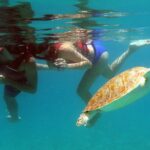
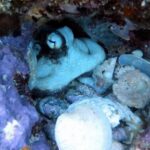
And the underwater payoff can be surprisingly memorable even without going super deep. One featured review described seeing many fish, coral, sea anemones, and a very big stingray that was sleeping near the bottom. That’s the kind of moment you can only get when you’ve got the basics under control.
What you should do to be ready (without overthinking it)
This is built for people with moderate physical fitness. You don’t need to be an athlete, but you should be comfortable handling yourself in water and following directions. It also helps to be prepared for the physical feel of wetsuits and gear, especially if you don’t enjoy wearing equipment.
Two practical health points to take seriously:
- You’ll need to complete a health questionnaire before diving. Some conditions may prevent diving, so ask your doctor if you’re unsure.
- Diving within 24 hours of flying is not recommended.
Finally, good weather matters. This experience requires good conditions, and if it’s canceled due to poor weather, you’ll be offered a different date or a full refund.
Group size, pacing, and how long it takes
The activity runs about 3 hours 30 minutes and has a maximum group size of 12 people. That cap is important because smaller groups usually mean more individual attention during equipment checks and skill practice.
Pacing also matters. Your day will follow the rhythm of:
1) classroom instruction
2) shallow water practice
3) deeper-water finish (bay or boat plan)
If you’re the type who panics when you’re late or rushed, you’ll appreciate that structure. The “learn first, then practice, then apply” model is exactly how you turn a first scuba attempt into a real skill.
Also, the start and end are both at St. Thomas, so you’re not dealing with long transfers. It’s also near public transportation, which is helpful if you don’t want to rely entirely on taxis.
Value check: is $175 a good deal for St. Thomas scuba?
For St. Thomas, $175 per person can feel like a leap until you look at what’s included. You’re buying:
- guided instruction with a qualified instructor
- full equipment setup
- a structured progression from shallow to deeper water
- and a take-home booklet to keep learning afterward
If you were to cobble together instruction plus gear rentals on your own, the price is often higher and the logistics are harder. The fact that the experience is designed specifically for beginners (no certification required) also adds value. You’re not paying to “hope you can figure it out”—you’re paying for the steps and coaching.
That said, remember the depth reality check. If you’re expecting a deep-water thrill ride, the experience may feel more like a comfort-building skill session with great underwater viewing close to where training happens.
Who should book this course (and who might want something else)
This is a strong match if:
- you want your first scuba experience with calm coaching
- you like the idea of learning buoyancy and equipment handling under supervision
- you’re more excited about marine life close-up than about reaching maximum depth
- you want to take home a booklet and potentially move toward certification later
It might be less ideal if:
- you came for a deep-water, big-depth adventure day
- you want a solo-style experience without close supervision
- you have a medical condition that your doctor says could be a problem for scuba
If you’re nervous, don’t let that stop you. Multiple reviews praised patience and step-by-step help, and that’s the environment this course is built for.
Should you book Discover SCUBA in St. Thomas?
My take: if you’re new to scuba and you want instruction that actually helps you feel comfortable, you should book it. The combination of all gear provided, an instructor next to you, and a structured lesson-to-water progression is exactly how you turn a first attempt into something you remember fondly.
Book with realistic expectations about depth. You may not go very deep, and that’s okay—close coral, fish, sea anemones, and even a stingray sighting can be the star of the day.
If you’re wondering whether this is a good first step toward certification, it’s set up for that mindset. You’ll leave with a foundation and a take-home booklet, not just a photo and a story.
FAQ
Do I need scuba certification for this experience?
No. This course is designed for beginners and introduces scuba without requiring certification.
How long is the experience?
It lasts about 3 hours 30 minutes.
What scuba equipment is included?
You get all necessary equipment, including tanks, weights, BCD, regulator, wet suit, fins, mask, and snorkel.
Does an instructor stay with you the whole time?
Yes. A qualified instructor is with you throughout the experience.
Where does the course take place underwater?
You’ll start in shallow water, then finish with deeper-water time either in the bay or by boat to underwater reef and wreck areas off St. Thomas.
Are there medical requirements before diving?
Yes. You must complete a health questionnaire prior to diving. Some medical conditions (like asthma or heart conditions) may prevent diving, so consult your doctor if you’re unsure.
Is a gratuity expected?
Gratuities are not included, but 15–20% of the tour cost is recommended.